
Stuffer Shack and the Tools are under construction. Last updated 11-01-26.
// Free tools for Shadowrun tables
Everything here is free, and you don't need to log in unless you want to save something. Built for 6th Edition first. Try the dice roller right here. The rest is on the way.
Wiki
Notes, NPCs and places for your table, shared with your players.
In the worksCharacter
Fill in a sheet, or drag and resize blocks to build your own layout.
In the worksVTT
A virtual tabletop. Upload your maps and move tokens. Players join without an account.
In the worksWhy sometimes the best fights aren’t about fighting at all
Max Krueger · May 2, 2010
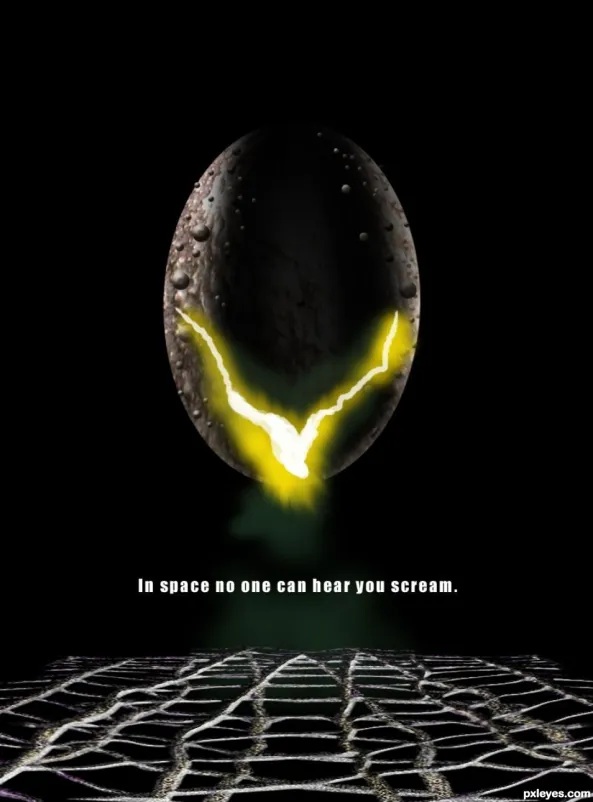 Midway through my sophomore year in college, I was persuaded into GMing a game of D20 Future. I had only GM’d once before, and it didn’t go too well, so I was a bit reluctant (a story for another time). However, with a bit of persuasion from my friends, I decided to give it another whirl.
After a few weeks of game-play, my skills as a newbie GM had improved dramatically, and I was feeling great. As the semester wore on though, I began to be overwhelmed by schoolwork, and my cognitive capabilities had to be devoted away from campaign planning to more scholarly pursuits. Unfortunately, I had left my group in quite a pickle – after being forced into stasis tubes for ten years, they had awakened to find that their ship now had four extra occupants. At the time I thought that was a pretty good cliffhanger, and decided to leave it at that.
However, when the next week rolled around I realized I had no detailed stats prepared for the hostile aliens. I felt guilty enough as it was, and I was unwilling to make my group wait any longer to resume playing. So, I made a resolution – If I couldn’t make the fight itself interesting, I needed to make the atmosphere around the fight interesting.
On the fly, I decided to give the aliens a unique trait that existed entirely outside the rules. The creatures would be mimics of a sort, no more intelligent than parrots, really. As they would scurry around the ship, they would imitate the characters voices in an attempt to lure the characters out from their hiding spots. It was like the creatures were using a duck call. They would just repeat words that they heard the characters say enough times. “Where are those things? Where are those things?” the creatures would say again and again as they scuttled through the ship. It gave the characters the sense that they were being hunted, as these creatures weren’t standing around waiting for a PC to cleave through them. They were working as a pack, and the PCs were their prey.
It was this mimicry (which I played up with my voice as much as possible) that elevated the creatures from Generic Space Beast #35 to something truly fearsome. Now, remember that the actual stats of the creatures were completely uninteresting (45 hit points, no special abilities and a +8 hide check). In spite of that though, the fact that the creatures were hiding and imitating the PCs gave them that special creepy touch that genuinely scared my group.
Whenever your group fights a creature, you should make sure that creature is theatrically memorable in some way, and this is best done in a way that avoids combat rules entirely. Sure, your custom made Were-Dragon may get a wicked 2d6 bonus to damage every full moon. But does it really matter if your players can’t imagine seeing those ebony claws tearing their characters limb from limb? If a creature seems scary and dangerous outside of its actual in-game stats, then you know it can stand on its own.
Good luck and good gaming,