Stuffer Shack and The Sim are under construction. Last updated October 21, 2026.
Log in
You need an account to save anything. Game masters need one to run a game.
Coming soon
Character Sheet
Fill in a sheet, or drag and resize blocks to build your own layout.
Coming soon
Wiki
Notes, NPCs and places for your table, shared with your players.
Coming soon
VTT
A virtual tabletop. Upload your maps and move tokens. Players join without an account.
Coming soon
News_Feed
News_Feed
Menu
Menu
A Good Flashback is like a Fixer’s Favor…
Chris Stevens · Oct 21, 2026
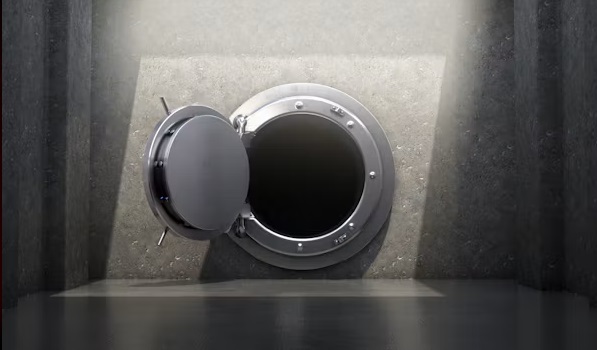
Every heist movie has the moment. The guard opens the vault, finds it empty, and the film cuts back to three days earlier, when the crew swapped the shipment out from under his nose. Flashbacks let your table pull the same trick, and they solve one of the oldest problems in roleplaying: planning.
Most groups have lived through it. The team spends two hours planning a run, argues over every detail, and still misses the one thing that matters. Flashbacks let you skip most of that. Start the session at the front door and fill in the preparation when it becomes relevant.
The Heist Flashback
This is the big one, and it’s the reason flashbacks caught on. Blades in the Dark built its whole heist system around it, and the idea works in almost any game.
The job starts mid-action. When the team hits a problem, a player calls a flashback and describes what their character did earlier to prepare: memorizing the patrol route, copying the gatekeeper’s key, hiding a sedative in the guard dog’s dinner. If the prep was risky, they roll for it. Then play cuts back to the present with the problem solved.
Shadowrun is practically built for this. Legwork is famous for eating whole sessions, and a flashback lets it happen in the moment instead. As a house rule, let a runner spend a point of Edge to flash back to the legwork: the security tech they bribed, the maglock passkey they bought from their fixer, the floor plans the decker lifted last week.
Three rules keep it from breaking the game:
It costs something. Edge, stress, or a limited number per run. Free flashbacks solve everything.
It has to be plausible. Nobody flashes back to “I already had the vault code” unless someone could actually have gotten it.
It can go wrong. A failed roll means the prep happened but went badly. The guard took the bribe and then sold you out.
The Backstory Flashback
Players love writing three-page backstories that nobody else reads. Flashbacks get that history into play instead.
When a moment calls for it, a player can set a short scene from their character’s past that ties to what’s happening now. They say where and when, the other players take on the NPCs, and the whole thing lasts a couple of minutes. In return, the player gets a small bonus on the roll at hand.
The street sam about to take on a ganger twice her size flashes back to the first fight she ever won. The decker facing nasty ICE remembers the first system that nearly fried his brain. The table learns who these people are, mid-fight, at exactly the moment it matters.
Keep the scenes short and the bonus small. Players will limit themselves, since a flashback is only fun when there’s a story to tell.
The Life-Changing Moment
Save this for the big stuff. Each character gets one or two defining moments from their past, written down at character creation. When a roll would kill them, the player can spend one: play out the moment that made them who they are, and the failed roll becomes a survival. It’s rare, it’s dramatic, and the table remembers it for years.
The GM’s Flashback
GMs can use flashbacks too. Open a session in the middle of a firefight, then cut back to the meet with Mr. Johnson to show how the team got there. Or reveal a run’s real story gradually, one flashback per session, until the players realize the job wasn’t what they thought.
Be careful with the “this stranger is actually an old friend” reveal. It works once. After that it feels cheap.
The Stakes Are Still Real
A character can’t die in a flashback, since we already know they made it to the present. That doesn’t make flashbacks safe. A contact can get burned, gear can get used up, and a fear that wasn’t faced in the past can follow the runner into the present. Death isn’t the only thing on the line.
A flashback is like a fixer’s favor: you don’t need it until you really do, and it always costs something.
Try one next session and see what happens. You may never plan a run the old way again.